Solid Color Epoxy Floors
A single, uniform color of 100% solids epoxy rolled over a diamond-ground slab and sealed with a chemical-resistant urethane or polyaspartic topcoat. No chips, no pattern, just a smooth, bright, easy-to-clean surface that takes striping and logos well.
Get a Free Quote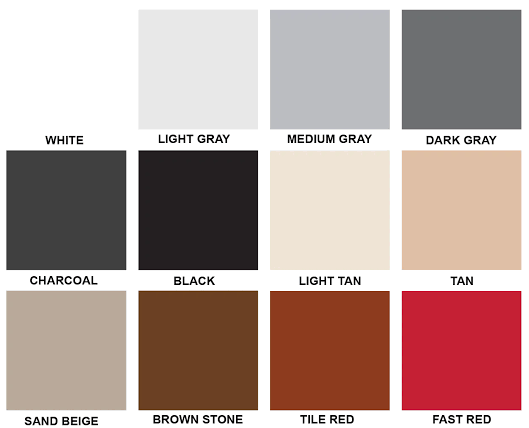
Where Solid Color Floors Can Be Used
Solid color is the go-to system where the floor is a work surface first: places that get striped, hosed down, driven on by forklifts, or need to look clean and bright under fluorescent light. It's also the base for logos, color-coded zones, and safety markings.
- Warehouses, distribution centers, and loading docks
- Manufacturing floors and production lines
- Auto repair bays, tire shops, and detail shops
- Fire stations, fleet garages, and equipment barns
- Commercial kitchens, breweries, and food prep areas
- Retail back-of-house, stockrooms, and storage
- Mechanical rooms, hallways, and stairwells
- Home shops and garages that want a clean, simple look
Why Choose a Solid Color Floor
It's the most economical coating system we install, and in a working building it's often the most practical. A uniform color shows spills and dropped parts immediately, reflects light back into the space, and gives you a blank canvas for striping and branding.
- Lowest cost per square foot of any coating system
- Brightens the space: light gray and white floors bounce light and cut lighting costs
- Easy to see leaks, spills, and dropped hardware
- Seamless and non-porous, so oil, coolant, and chemicals wipe up instead of soaking in
- Striping, safety zones, and logos bond directly into the system
- Spot repairs and re-coats blend in without a visible patch
- Available in 15 standard colors, or color-matched to a brand
The Installation Process
The prep is identical to our flake and metallic floors. The difference is in the build: a pigmented base, an optional second coat for extra thickness, and a clear protective topcoat.
- Estimate & moisture testWe measure the space, check the slab for moisture, oil saturation, and old coatings, and pick a color and finish with you.
- Diamond grindingIndustrial grinders with dust extraction profile the concrete so the epoxy bonds mechanically. No acid etching.
- Crack & joint repairCracks, spalls, and control joints are filled with a fast-cure repair mortar and ground flush.
- Pigmented base coatA 100% solids epoxy in your color is rolled on and back-rolled for a uniform, even build.
- Second coat (optional)Heavy-traffic floors get a second pigmented coat, or a high-build epoxy, for extra thickness and impact resistance.
- Striping & markingsBay lines, aisles, safety zones, and logos are masked and applied before the topcoat so they're sealed in.
- Clear topcoatA chemical-resistant urethane or UV-stable polyaspartic clear coat adds the gloss, wear layer, and optional anti-slip grit.
- Cure & turnoverFoot traffic the next morning, rolling loads after 48 hours, full chemical resistance within a week. We schedule nights and weekends to keep you running.
Safety Features
A solid color floor is the standard in facilities where safety is audited, because everything about it can be seen, marked, and cleaned.
- Anti-slip aggregate available in the topcoat for wet areas, wash bays, and ramps
- High-visibility striping for forklift aisles, pedestrian walkways, and keep-clear zones
- Light colors improve visibility and make hazards and spills obvious
- Seamless surface with no joints, cracks, or edges to trip on or trap bacteria
- Chemical and fuel resistant, so spills stay on top where they can be cleaned
- Cove base and drain detailing where floors need to be washed down
- USDA/FDA-compliant systems for food and beverage spaces
Maintaining Your Solid Color Floor
No waxing, sealing, or buffing. Routine cleaning and a little common sense keep a solid color floor looking new, and it's the easiest system to touch up when a shop earns its scars.
- Sweep or dust-mop daily in working spaces; auto-scrub or mop with a neutral cleaner as needed
- Wipe up oil, coolant, brake fluid, and solvents when you see them
- Avoid dragging steel edges or dropping heavy tools; use pads under jack stands and equipment feet
- Skip harsh strippers and abrasive pads that dull the topcoat
- Use non-marking tires on forklifts and carts where possible
- A fresh clear coat every several years, or in the high-wear lanes only, brings the floor back without redoing it
Ready for a cleaner, tougher floor?
Free on-site estimates across East Texas. Shops and commercial floors are scheduled around your hours.
Get a Free Quote