
Metallic & Marble Epoxy Floors
Metallic pearl pigments are blended into clear 100% solids epoxy and hand-worked across the floor so the pigment drifts, pools, and veins as it cures. The result looks like polished marble, lava, or brushed metal, and no two floors are ever alike.
Get a Free Quote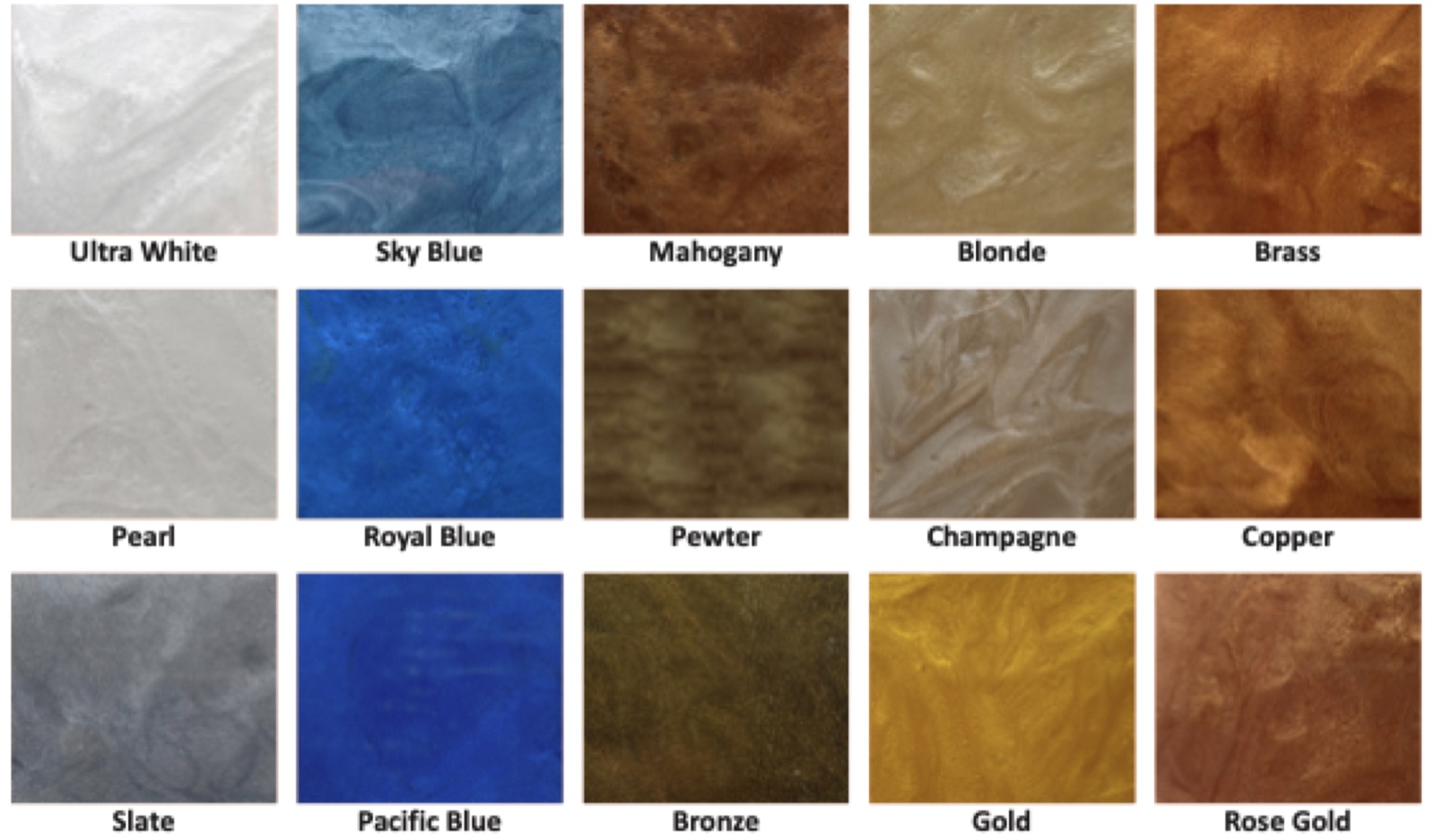
Where Metallic & Marble Floors Can Be Used
Metallic floors go where the floor is meant to be seen. They're most often chosen for finished living space and for businesses that want the floor to be part of the brand. Indoors is the rule: the epoxy base isn't UV stable, so for a covered patio or sun room we build the same look with a UV-stable topcoat.
- Finished basements, game rooms, and home theaters
- Living rooms, kitchens, and open-plan remodels on slab
- Show garages and car collections
- Barbershops, salons, tattoo studios, and boutiques
- Restaurants, bars, breweries, and coffee shops
- Showrooms, lobbies, and office reception areas
- Gyms, studios, and clinics that want a premium look
- Retail floors and event spaces
Why Choose a Metallic & Marble Floor
It's the closest thing to polished stone you can put over an existing slab, at a fraction of the cost of real marble or terrazzo, with none of the grout lines and a fraction of the maintenance.
- Truly one of a kind: the pigment moves as it cures, so your floor's pattern exists nowhere else
- Depth and shine that changes with the light and the angle you view it from
- Two- and three-color pours, from subtle silver and charcoal to bold copper, blue, or red
- Seamless surface with no grout lines to stain or crack
- Far less expensive than natural stone, terrazzo, or large-format tile
- Same tough epoxy and urethane build as our commercial floors underneath
- Covers stained, ugly, or previously coated concrete completely
The Installation Process
Prep is the same as every floor we install. The difference is the pour itself: metallic floors are built up in coats and worked by hand while wet, so timing and technique matter more than with any other system.
- Design & estimateWe look at the space and the light, pick your base and accent pigments, and decide on the technique: veined, dropped, or full-swirl marble.
- Diamond grindingDust-free grinders open the concrete so the epoxy bonds. Old coatings, adhesives, and paint are removed completely.
- Crack & surface repairCracks, joints, and pits are filled and ground flush. Metallic floors are glossy, so surface prep is especially thorough.
- Pigmented base coatA solid-color epoxy base, usually black or charcoal, is applied so the metallic layer has a dark background to play against.
- Metallic pourClear epoxy loaded with pearl pigment is poured and spread, then a second color is dropped in and worked with rollers, brushes, and a light mist of solvent to move the pigment into veins and cells.
- CureThe floor is left untouched, in a closed room, while the pattern settles and hardens. Dust and foot traffic are kept out for a full day.
- Clear topcoatA high-gloss or satin urethane clear coat locks in the pattern and provides the scratch, chemical, and UV protection.
- Walk-throughWalk on it after 24 hours and move furniture back after 72. We walk the floor with you and go over care before we leave.
Safety Features
A metallic floor is a glossy floor, so we plan for grip up front and build the rest of the safety in the same way we do for commercial work.
- Anti-slip additive available in the topcoat for entries, kitchens, and salons where floors get wet
- Satin finish option that keeps the depth while cutting glare and slickness
- Seamless surface with no grout lines, edges, or transitions to trip on
- Non-porous and easy to sanitize, which is why salons, studios, and clinics choose it
- Chemical, stain, and abrasion resistant urethane topcoat
- Low-odor materials and a sealed cure room; you're back in the space within a day or two
- Cove base and threshold detailing available for wet rooms
Maintaining Your Metallic Floor
There's no polishing, waxing, or resealing on a schedule. Keep grit off it, clean spills, and it stays glassy for years.
- Dust-mop or vacuum with a soft head regularly; grit is what dulls a glossy floor
- Damp-mop with warm water and a pH-neutral cleaner; skip vinegar, bleach, and abrasive powders
- Wipe up spills, especially hair dye, wine, and oil, when you see them
- Use felt pads under furniture and mats at exterior doors
- Avoid dragging appliances or steel edges across the surface
- If the gloss ever dulls in a traffic lane after years of use, a fresh clear coat restores the shine without touching the pattern
Want a floor nobody else has?
Free on-site estimates across East Texas. Bring a color idea or a photo you like and we'll match a pour to it.
Get a Free Quote